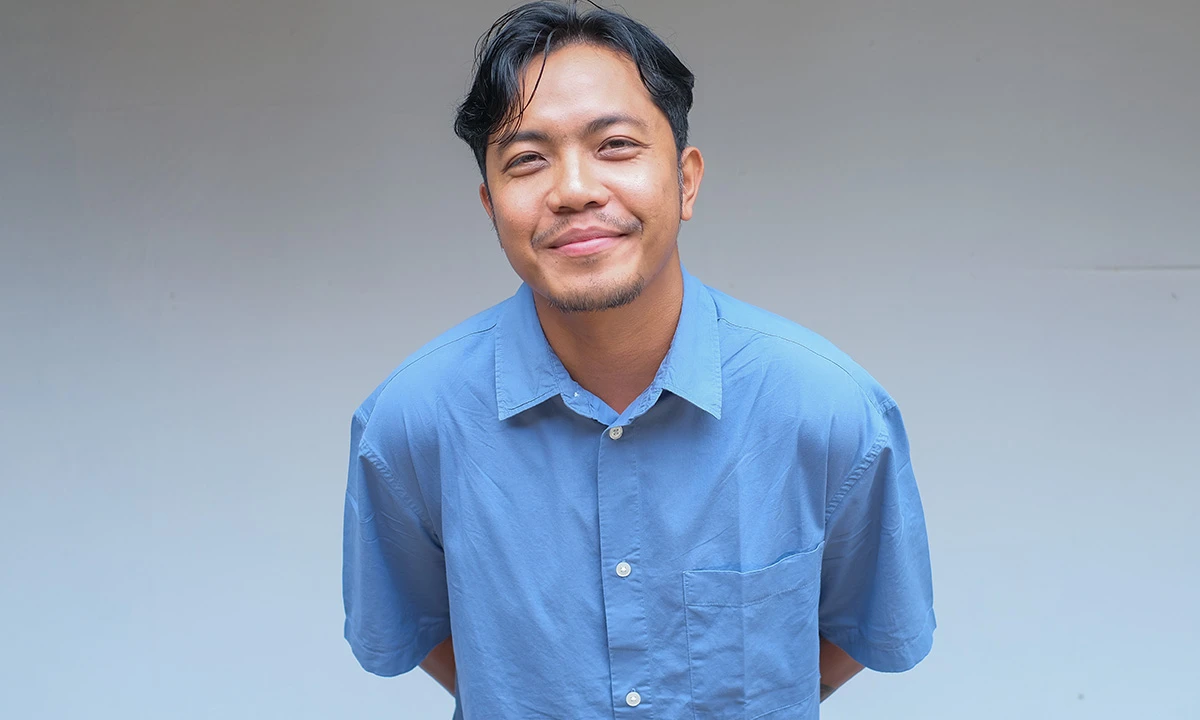

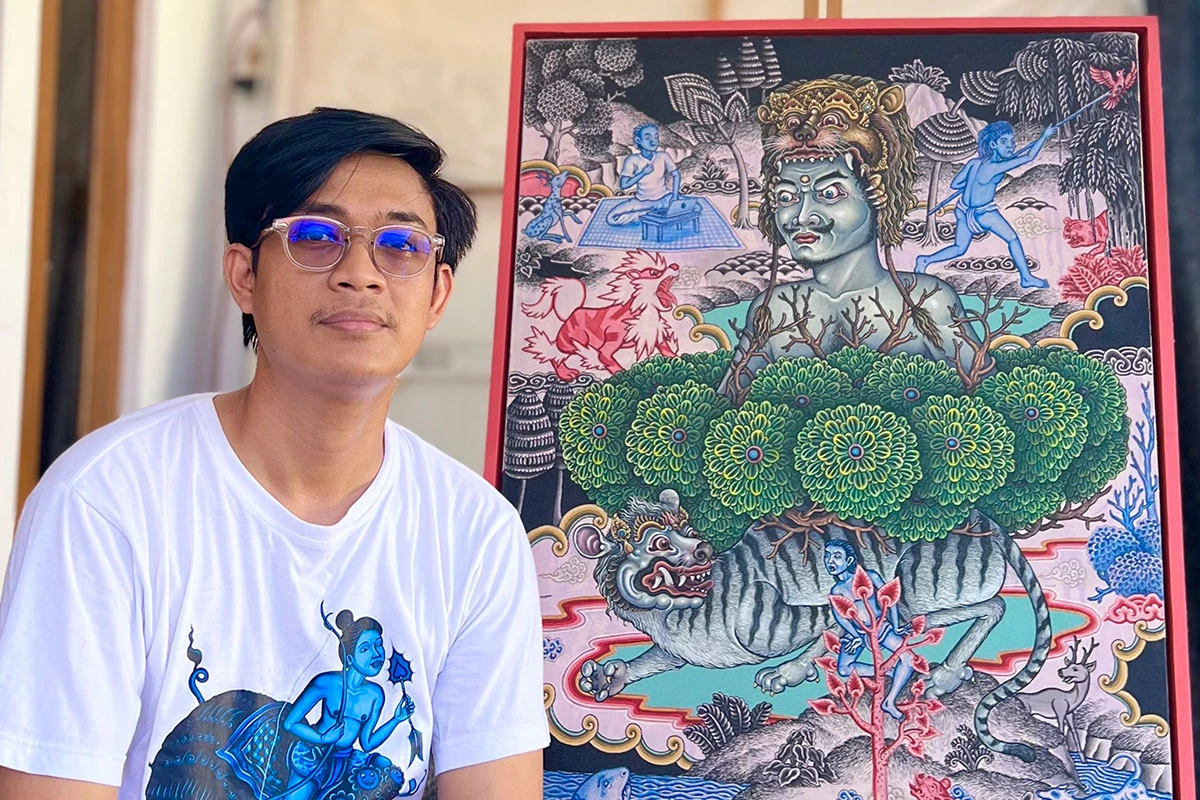
Aris Sarmanta on interpreting Samarasā at Ubud Writers & Readers Festival 2026

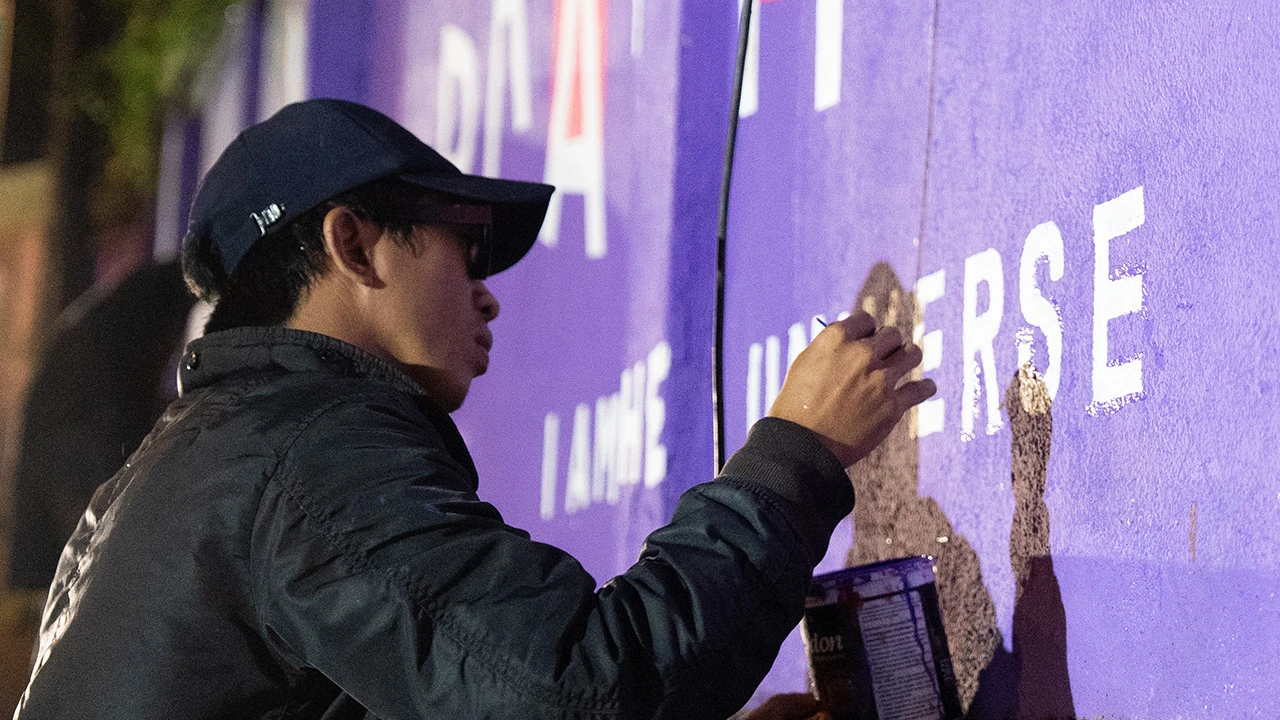
Every year, the Festival offers an emerging artist the opportunity to take part by creating the festival artwork, through which they can reach a larger audience while emphasising the vital role artists play in storytelling.

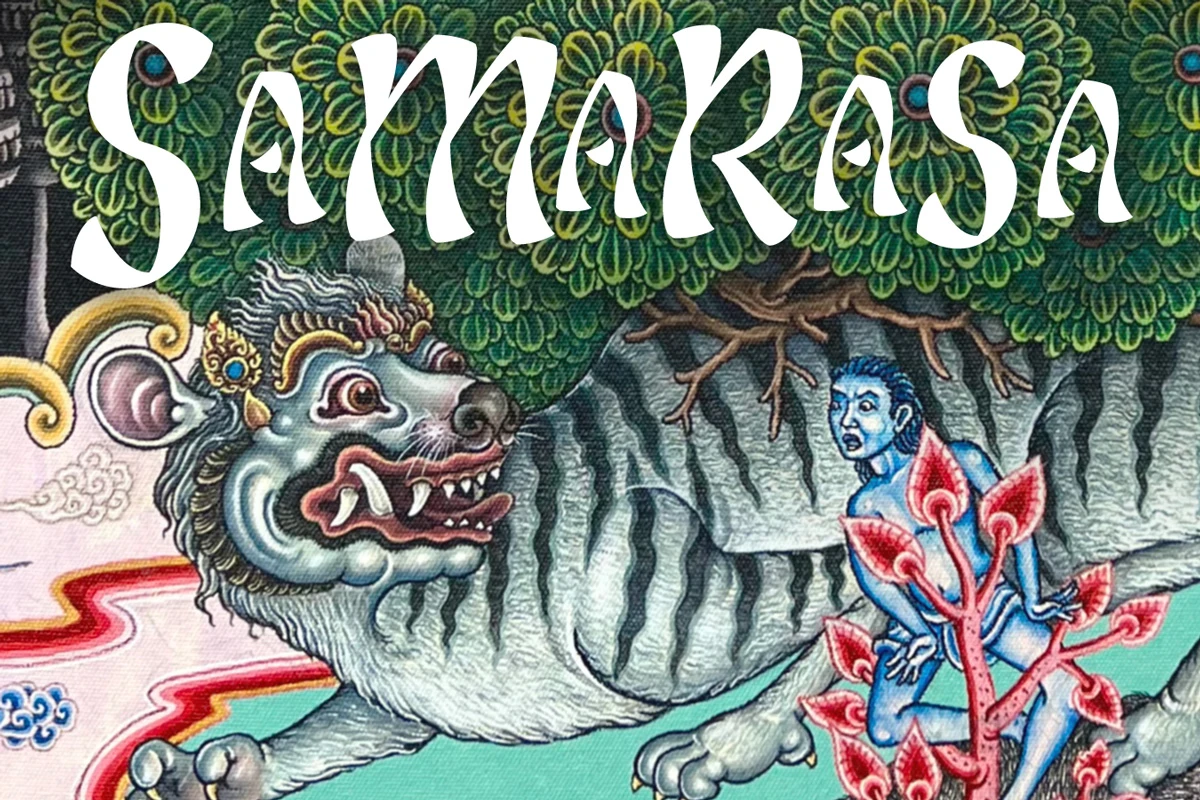
This year, Balinese painter Aris Sarmanta is the creative mind behind the official artwork, inspired by the theme Samarasā: Awareness. Empathy. Action. We spoke with the exciting talent, whose work is rooted in the Batuan painting tradition, to explore the vision and creative process behind his work, as well as his reflections on the festival’s theme and Ubud.


How do you feel about being involved as an artist in Ubud Writers & Readers Festival 2026?

Being involved in this year’s Festival feels both like an honour and a moment for reflection. As a visual artist, it’s a chance for me to bring a different kind of language, a visual one, into the world of literary narratives and ideas.

This year’s theme, Samarasā: Awareness. Empathy. Action., is rooted in a philosophy that emphasises harmony between mind, feeling, and action. How do you interpret this theme in your artistic practice and personal experience?

For me, Samarasā is really about trying to bring three elements into balance, mind, feeling, and action, which are often out of sync. In my artistic practise, it becomes an ongoing process where ideas don’t just stay as concepts, but are felt emotionally and then expressed through visual work. In my personal life, it’s also a reminder to live more consciously, to stay empathetic to my surroundings, and to take part, even in small ways, in responding to what’s happening around me.

Your work for this festival presents a world filled with elements of humans, nature, and mythological beings. How do you translate the theme of Samarasā into the visuals and composition of this work?

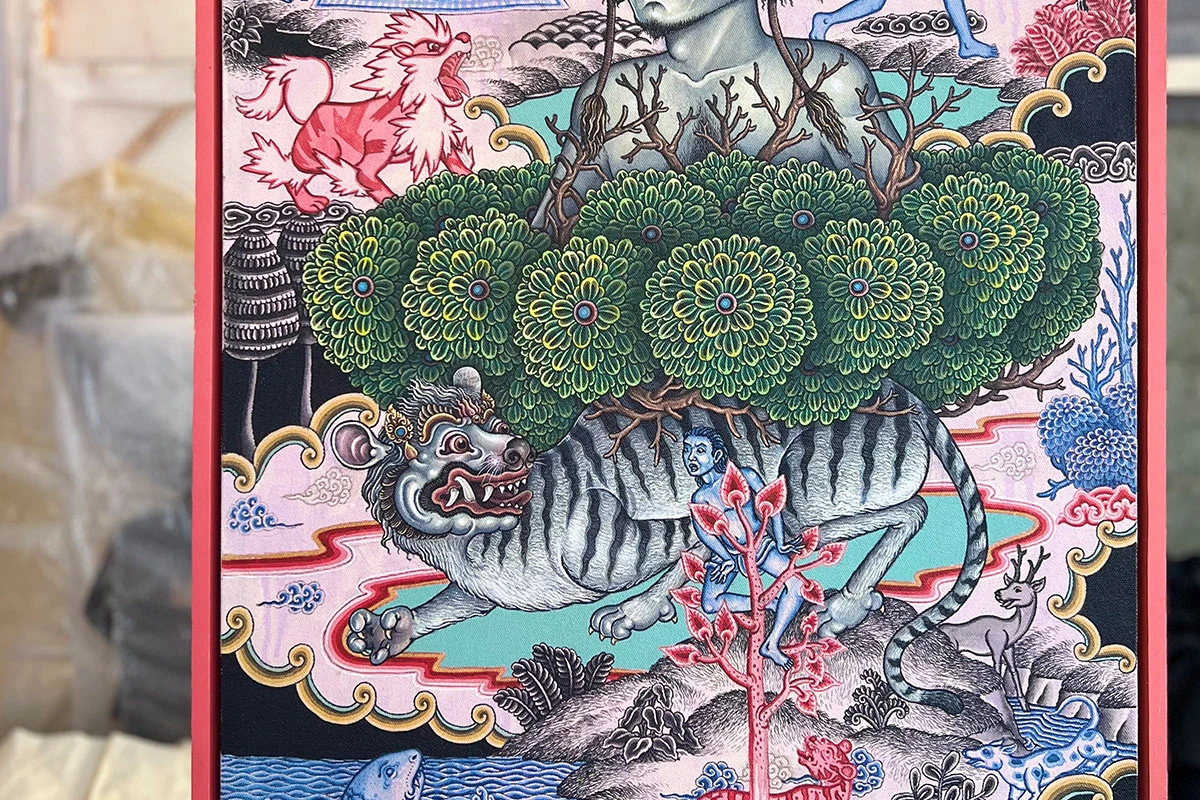
I translate Samarasā into a visual world where humans, nature, and Balinese mythological beings are all interconnected. My compositions are often quite dense and layered, with some empty spaces that reflect the complexity of these relationships, between the seen and unseen, or sekala and niskala.

For me, humans represent thought, nature carries the emotional dimension that needs care, and the Balinese tiger character symbolises action. There’s no real hierarchy, everything exists in relation to one another, constantly influencing each other and forming a kind of living visual ecosystem. It’s a version of harmony that isn’t always calm, but something more dynamic, shifting, and full of negotiation.
Ubud has a really unique energy. It’s deeply rooted in tradition, but at the same time very open to change. I often think of it as a kind of Campuhan, a meeting point between the local and the global, and between tradition and the contemporary.
Aris Sarmanta

As an artist rooted in the Batuan painting tradition, how do you process this heritage within a more contemporary approach in this work?

I was born and raised in Batuan Village, so the Batuan painting tradition naturally forms both the visual and philosophical foundation of my work, especially in its attention to detail, narrative, and density. At the same time, in my contemporary approach, I try to open up more space for interpretation. I don’t just recreate traditional forms, but transform them into something more personal and contextual. For me, it’s about placing these traditional elements in dialogue with contemporary issues, and creating a bridge between the past, present, and future.

Could you share the creative process behind this work, from the initial idea to the final piece?

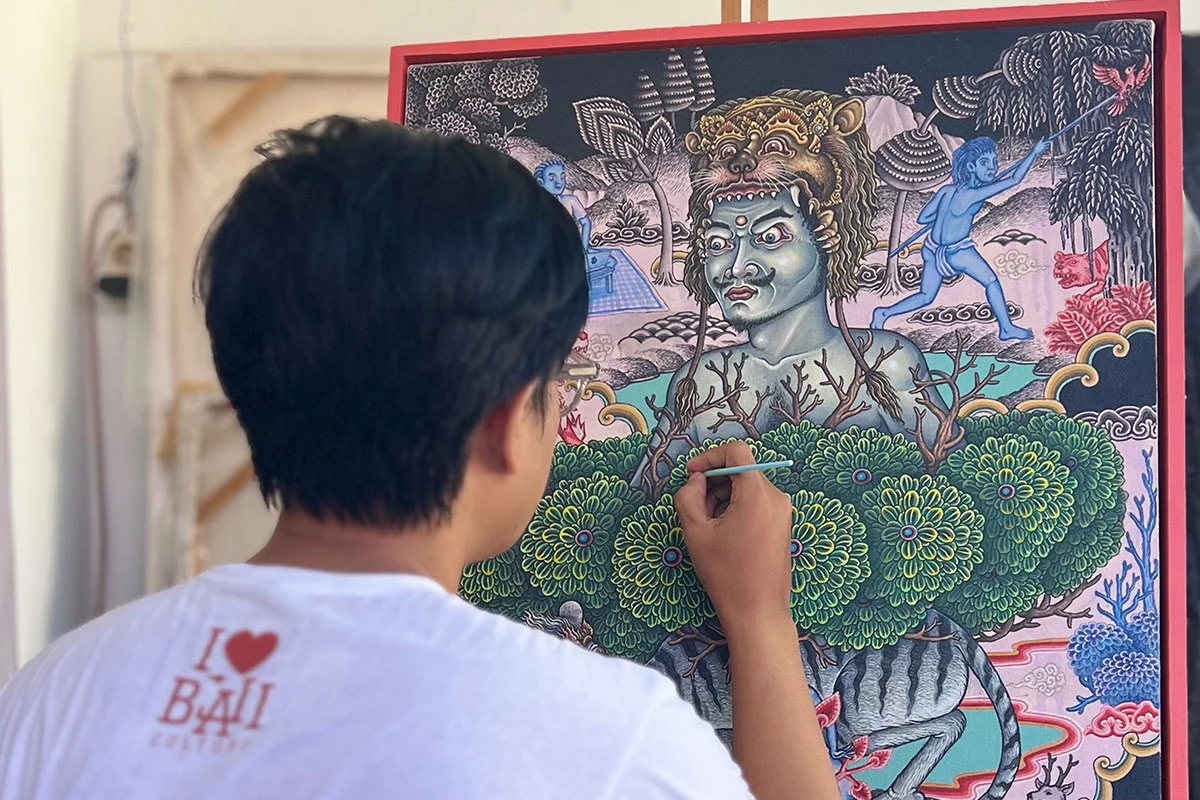
My creative process usually begins with observing my surroundings, social environments, nature, and also my own inner experiences. From there, small visual fragments start to appear, often as sketches or notes. I then begin to build a larger composition, almost like creating an imagined world. The process is quite intuitive and tends to evolve as I go. I work layer by layer, starting with black and white ink and gradually adding colour, until the piece starts to feel alive and complete. For this work, I also combined painting with digital elements.

The work feels like a living, interconnected world. What do you hope the audience will feel or discover when experiencing it?

I hope the audience can feel a sense of interconnectedness, that we’re not isolated, but part of a larger network of life. For me, it’s important that each person can find their own story within the work. I see it as a space for contemplation, where people can pause, take a moment to observe, and maybe even find a reflection of themselves in it.

Ubud, as a place shaped by both tradition and change, often inspires many artists. What does Ubud mean to you, both as a place and as a context for your practise?

Ubud has a really unique energy. It’s deeply rooted in tradition, but at the same time very open to change. I often think of it as a kind of Campuhan, a meeting point between the local and the global, and between tradition and the contemporary. On a personal level, it’s both a source of inspiration and a challenge, constantly reminding me to stay grounded while continuing to grow and adapt to the times.


For me, humans represent thought, nature carries the emotional dimension that needs care, and the Balinese tiger character symbolises action. There’s no real hierarchy, everything exists in relation to one another, constantly influencing each other and forming a kind of living visual ecosystem.


Aris Sarmanta
Join us between 21 and 25 October for compelling, challenging, and honest discussions, with an early bird discount available for our 4-Day Festival Pass.
Join 2026 Festival
Get your Pass
Share News

RELEVANT news

Back
Close
Close
Scroll Down
Loading...
Select
Cancel
Filters
Day +
Category +
Time +
SHOW FREE EVENTS ONLY
APPLY FILTER
Reset